Call Us Today!
804-435-3373
Private wells, particularly shallow wells, should be tested for purity and safety on a regular basis. You may not know this, but your well water purity may change over time if the surrounding groundwater becomes contaminated with things like pesticides and animal feces. A water test will check for harmful bacteria that might be making you sick, as well as check for lead and other contaminants that may not be safe.
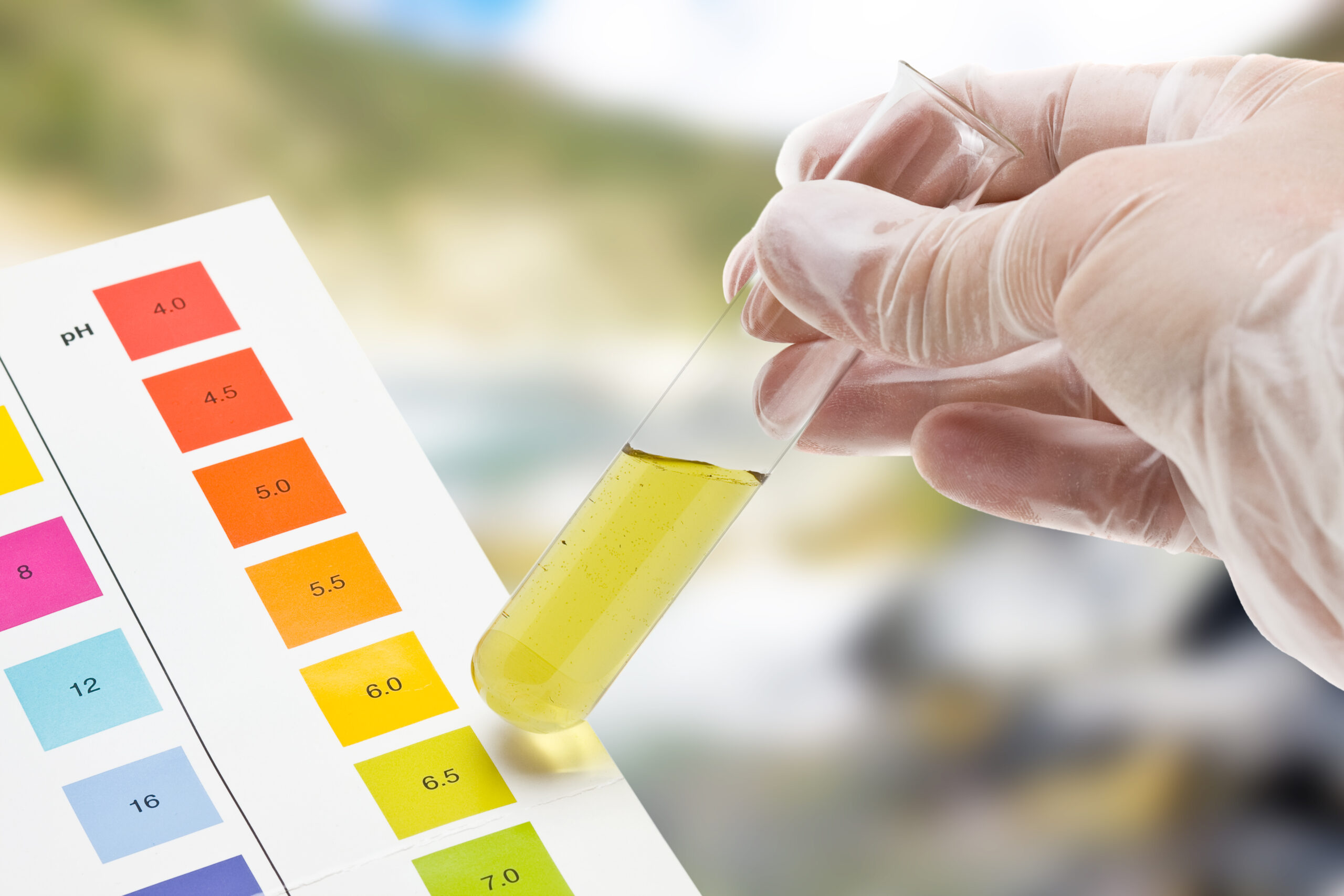
Private well water is unregulated and becomes the responsibility of the homeowner to ensure its safety. Coliforms (harmful bacteria; an example is E. coli), lead, nitrates, pesticides, iron, and other contaminants can be found in your well water. It can become too concentrated with these elements, especially in homes or businesses where they sit vacant for some period of time. Because private well water is unregulated, many lenders will require a water test prior to a real estate closing. Our tap water testing is done meticulously with aseptic collection techniques and storage before sending the samples off to get tested at a local lab.
Virginia doesn’t require one for every sale, but many lenders do, especially for VA, FHA, and USDA loans. Testing early gives you time to fix any problems before they hold up closing.
Bacterial results usually come back within a few business days after the lab gets the sample. Broader tests for lead, nitrates, and other chemicals can take a bit longer, so schedule yours well ahead of any closing date.
The Virginia Department of Health recommends testing private wells for bacteria at least once a year. You’ll also want a test after flooding, plumbing work, or any change in taste, smell, or color.
A basic test looks for coliform bacteria, including E. coli, as well as nitrates, which often come from fertilizers or septic systems. Fuller panels add lead, iron, pH, hardness, and pesticides.
Switch to bottled or boiled water for drinking and cooking right away. Most wells need shock chlorination, a strong dose of chlorine that disinfects the system, followed by a retest to confirm the bacteria are gone. Tracking down the source keeps the problem from returning.
FAQs reviewed by Phyllis Osborne, owner of Commonwealth Pest Management, a certified and insured pest control service.
It’s easy to get comfortable and assume you have clean drinking water, but a water analysis test may prove otherwise. Reach out to Commonwealth Pest Management to schedule your water testing. Our number is 804-435-3373.
Copyright © Commonwealth Pest Management